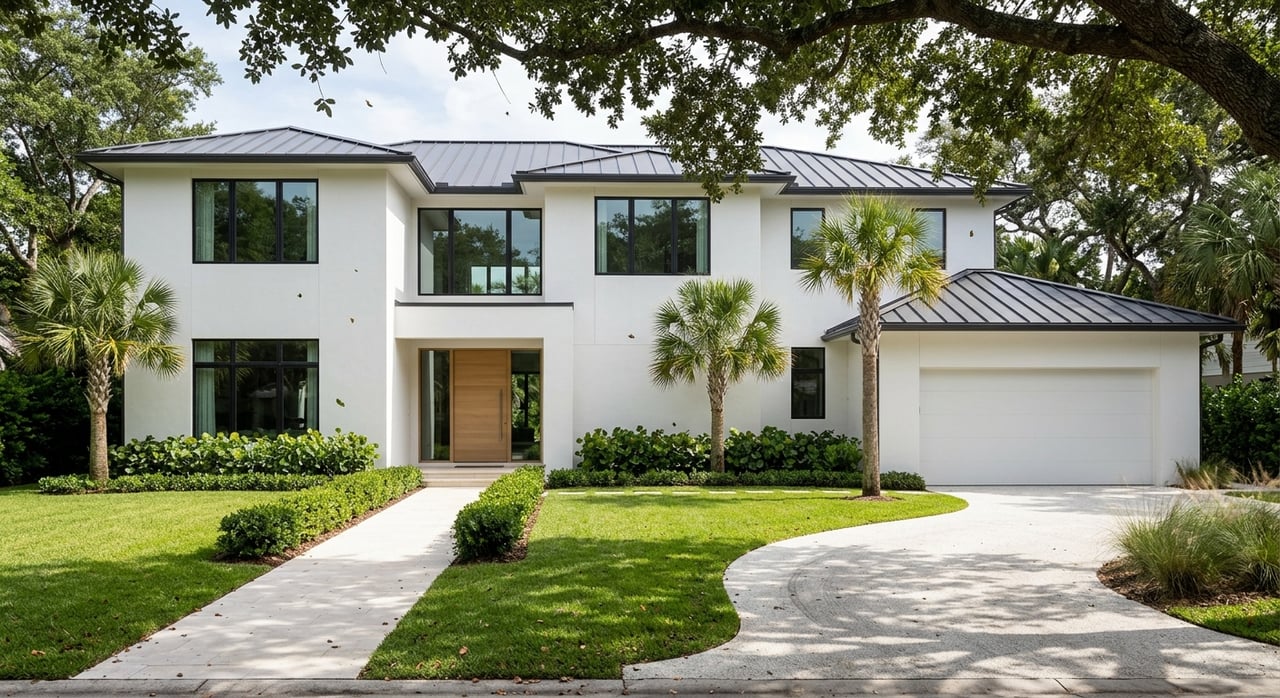
Looking for estate-style living in Sarasota without giving up quick access to downtown, Southside, and Siesta Key? Cherokee Park stands out because it offers large in-town parcels, a layered architectural mix, and a quieter, low-supply luxury feel that is hard to replicate in the city core. If you are weighing whether this neighborhood fits your goals, this guide will help you understand what makes Cherokee Park unique, what to watch for, and how to buy with more confidence. Let’s dive in.
What Cherokee Park Is Really Like
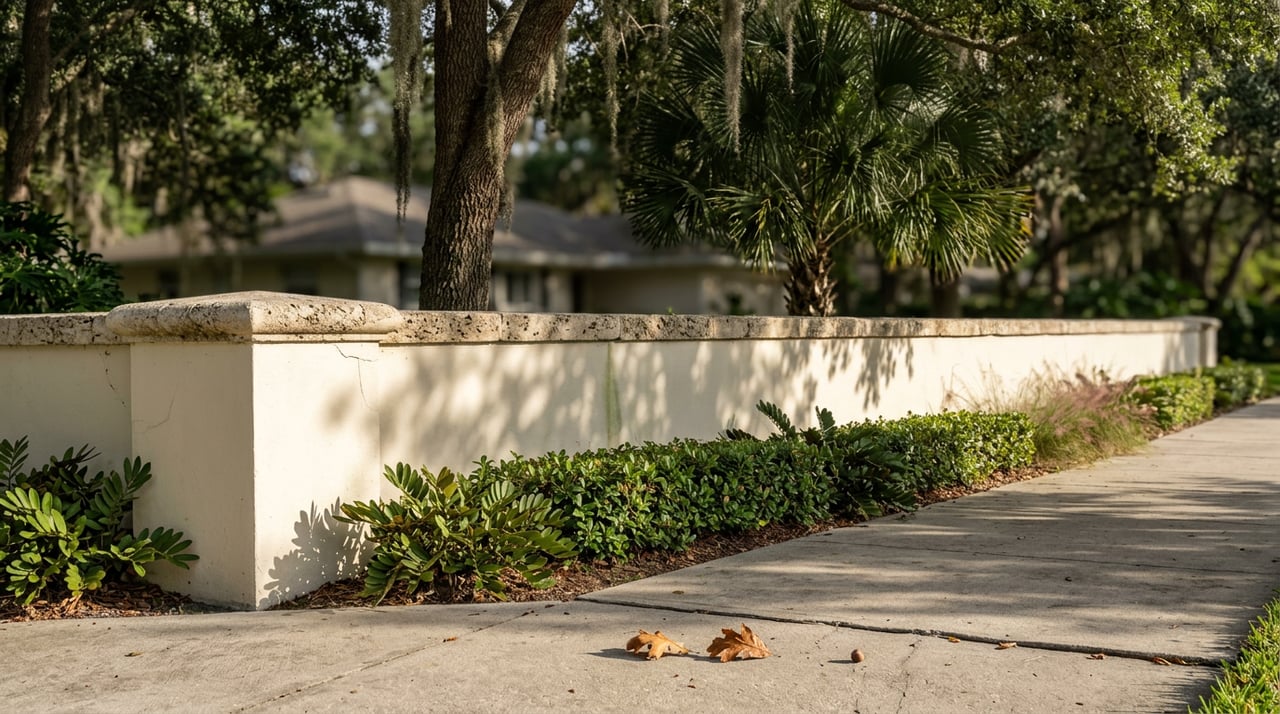
Cherokee Park is best understood as an in-town estate neighborhood rather than a uniform historic district. It appears on the City of Sarasota’s official neighborhood map, and its roots go back to 1926, when developer J.C. Brown envisioned a community influenced by Spanish, Moorish, and Italian design.
That original vision only came through in part. Because many lots were not developed until after World War II, the neighborhood evolved over time, which explains why you will see boom-era revival homes, postwar infill, and later custom residences on different streets and parcels.
For buyers, that matters. Cherokee Park does not deliver a one-note look or a cookie-cutter streetscape. Instead, it offers variety, mature setting, and estate-scale living within Sarasota’s urban core.
Why Buyers Consider Cherokee Park
The biggest draw is land. Public examples in the neighborhood show homesites ranging from about 0.34 acres to 0.92 acres, with several parcels around the one-third to one-half acre mark.
That range gives Cherokee Park a different feel from many nearby in-town areas. You are not just buying a house here. In many cases, you are buying meaningful yard space, longer driveways, wider setbacks, and a stronger sense of privacy than you might expect this close to downtown Sarasota.
Another reason buyers focus on Cherokee Park is location. It is a West-of-the-Trail neighborhood with quick access to Southside Village, downtown Sarasota, Sarasota Memorial Hospital, and Siesta Key Beach.
That creates a practical lifestyle balance. You can enjoy a more tucked-away residential setting while still reaching restaurants, shopping, the waterfront, and the beach without a long cross-town drive.
Cherokee Park Home Styles
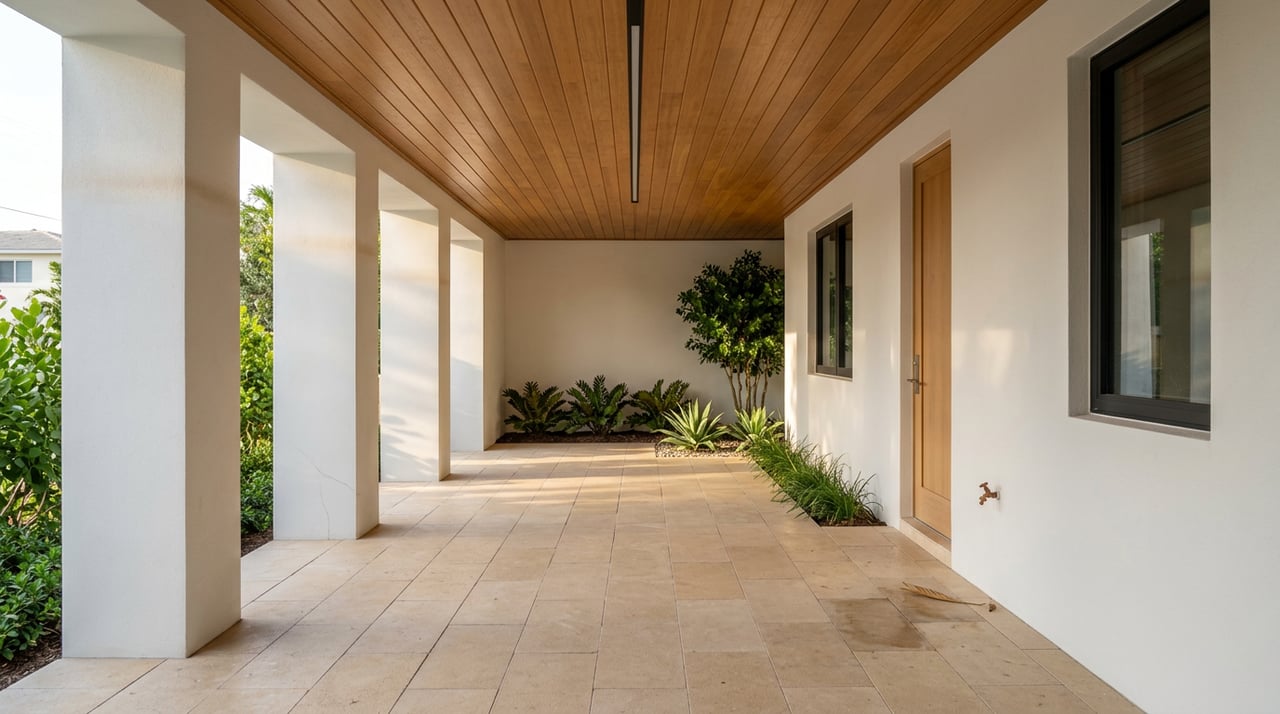
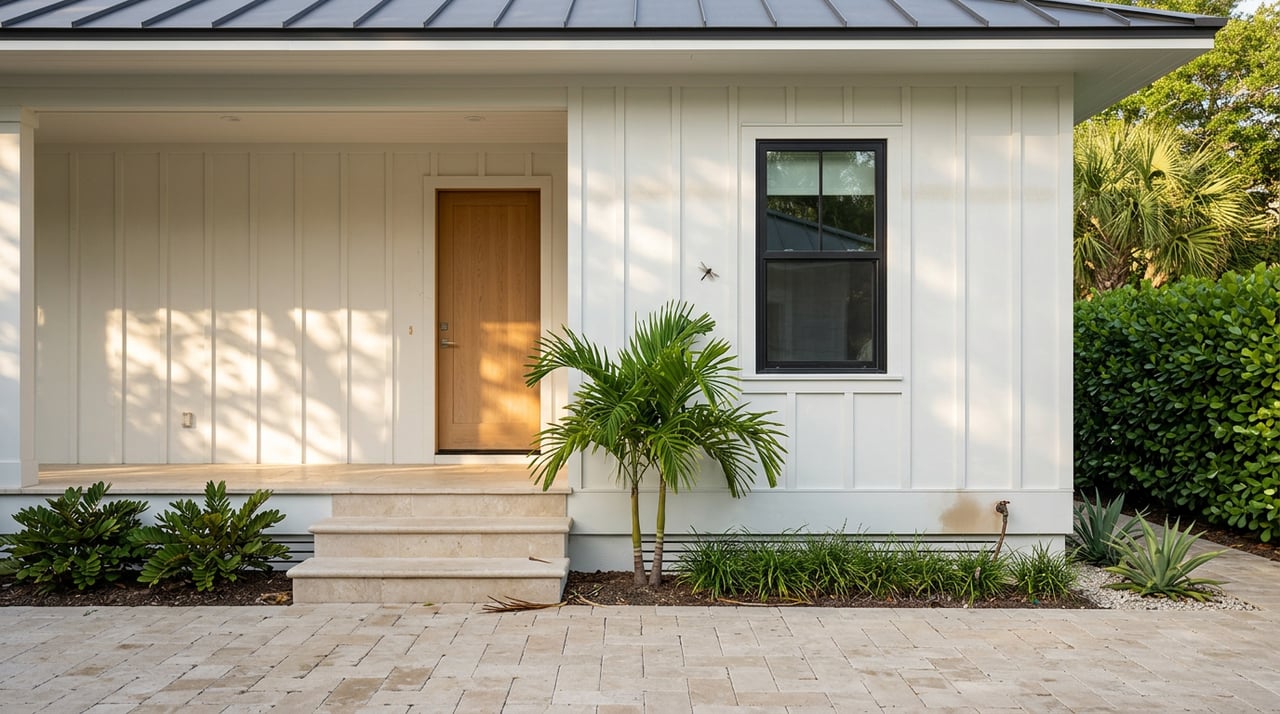
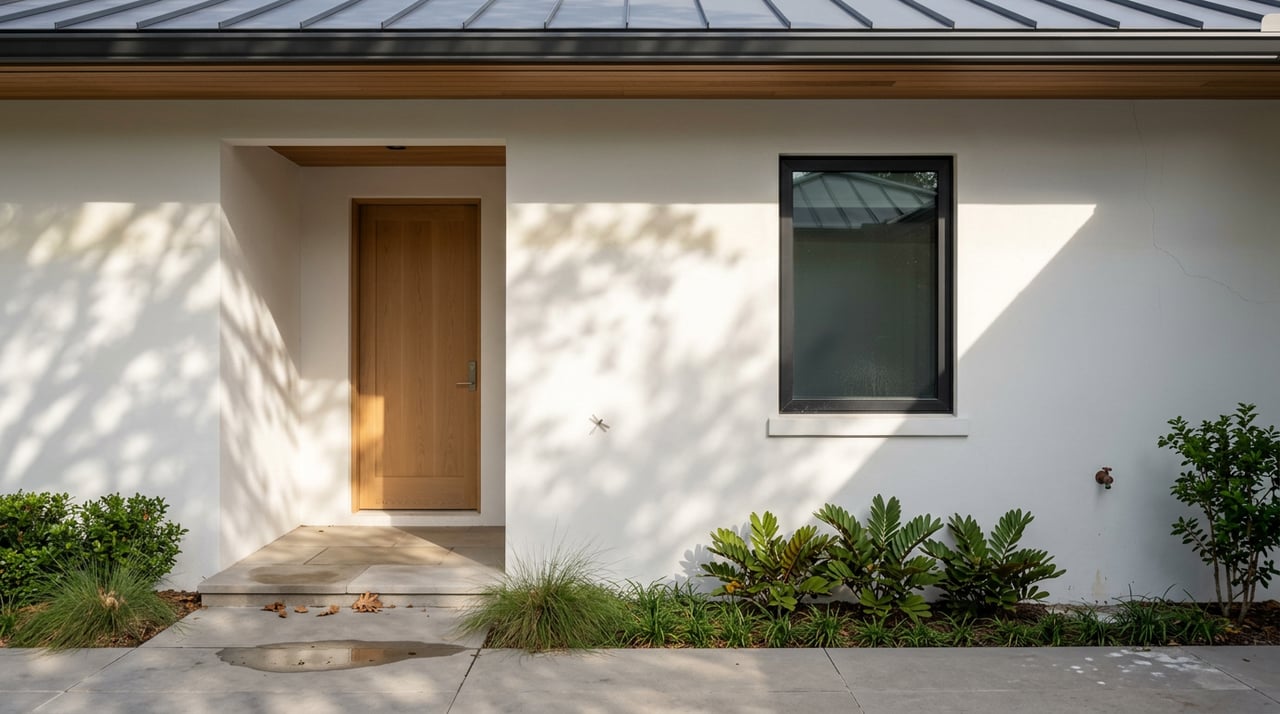
One of Cherokee Park’s strengths is architectural variety. While the neighborhood began with a Mediterranean-inspired idea, the current mix documented in public records includes Colonial Revival, Spanish/Mediterranean, Key West, and contemporary homes.
That variety broadens your options as a buyer. You may find a character home with historic influence, a canal-front property with classic Florida styling, or a newer custom residence with a more modern layout and finish level.
This also means you should avoid assuming every listing will fit the same visual mold. In Cherokee Park, the better approach is to focus on parcel quality, house placement, condition, and how well each property aligns with your lifestyle.
Lot Sizes and Parcel Character
Cherokee Park’s appeal is tied closely to its lot pattern. Recent public examples include a 0.34-acre site on South Drive, several 0.46-acre parcels, a 0.51-acre canal-front property with 125 by 177 dimensions, and a 0.92-acre estate parcel.
That mix tells you something important about the neighborhood. Cherokee Park is not defined by one standardized lot formula. Its value comes from having estate-scale land in an in-town Sarasota setting, which is a relatively rare combination.
If outdoor living matters to you, that can be a major plus. Larger lots may support pools, guest space, expanded garages, generous landscaping, or room for future renovation, depending on the parcel and local rules.
Waterfront in Cherokee Park
Waterfront living exists in Cherokee Park, but it is selective, not universal. Some properties offer canal frontage or bayfront positioning, while many others are interior lots.
That distinction is worth taking seriously if boating or water views are high on your list. Cherokee Park can offer those features, but you should think of them as parcel-specific opportunities rather than neighborhood-wide standards.
Public examples show that one canal-front listing on South Lodge Drive includes 125 feet of saltwater canal frontage along with dock and water-related extras. A separate bayfront lot on South Lodge Drive has been marketed with unobstructed Sarasota Bay views.
Flood Zones and Insurance Matter
If you are considering a waterfront or water-adjacent property in Cherokee Park, flood due diligence needs to happen at the parcel level. The City of Sarasota states that the current flood maps became effective on March 27, 2024.
That means you should verify the flood zone, elevation, and likely insurance requirements for any specific address before you get too far into negotiations. One current canal-front example in the neighborhood publicly notes a flood-zone designation and flood-insurance requirement, while another bayfront site has been marketed with an X flood-zone claim.
The takeaway is simple. Do not rely on neighborhood reputation alone. In Cherokee Park, flood exposure can vary meaningfully from one parcel to the next.
Market Conditions and Inventory
Cherokee Park is a high-price, low-supply luxury pocket. Zillow’s neighborhood home-value index for Cherokee Park was $2,968,984 as of May 31, 2026, which was up 3.3% year over year.
Public listing snapshots also point to thin inventory. At the time reflected in the research, visible offerings included a $6.99 million waterfront property, a $5.9 million estate, a $4.25 million home, a $2.245 million home, and two roughly $2 million land parcels.
For you as a buyer, low supply changes the strategy. The right home may not appear often, and when a strong parcel comes up, you may need to move quickly with clear priorities and a realistic understanding of value.
Lifestyle Fit for Buyers
Cherokee Park tends to fit buyers who want room to breathe without moving far from Sarasota’s daily conveniences. The neighborhood gives you quick access to downtown, Southside Village, Sarasota Memorial Hospital, and Siesta Beach, which Sarasota County notes has 950 free parking spaces.
That convenience supports a few different buyer profiles. It can work well for a primary residence, a seasonal home, or a long-hold luxury property where location and lot size matter more than having brand-new, high-volume inventory.
It can be a weaker match if you want a neighborhood with a steadier flow of turn-key listings. Cherokee Park’s low inventory means patience is often part of the search.
Vacation Rental Rules to Know
If you are thinking about Cherokee Park from an investment angle, city rules deserve close attention. The City of Sarasota requires registration for applicable vacation rentals, sets a minimum stay of 7 full days and 7 full nights, and caps maximum occupancy in RSF districts at 10 persons.
Those rules make Cherokee Park a more natural fit for owner-occupants, seasonal use, or longer-hold strategies than for high-turnover short-term rental plans. That does not remove investor appeal, but it does shape the type of rental strategy that may work best.
Before you buy with rental use in mind, it is smart to confirm how the specific parcel is classified and how city rules apply to your intended use.
How Cherokee Park Compares Nearby
Cherokee Park is often compared with other West-of-the-Trail neighborhoods, but the differences are meaningful. Your best choice depends on whether your priorities are lot size, architecture, boating access, or pricing.
Cherokee Park vs. McClellan Park
McClellan Park is a useful comparison because it is nearby and has its own historic estate character. Zillow’s neighborhood snapshot in the research placed McClellan Park at $2,061,130, below Cherokee Park’s $2,968,983 figure.
In simple terms, Cherokee Park tends to read as a more expensive in-town estate option. If your focus is larger parcels and a broader architectural mix, Cherokee Park may rise to the top.
Cherokee Park vs. Hudson Bayou and Avondale
Hudson Bayou and Avondale have a more overt bayou-oriented identity. Public historical context describes enlarged lots, widened streets, a seawall, and estate lots tied more directly to the bayou setting.
By contrast, Cherokee Park leans more toward estate-lot city living with a wider range of home styles. Zillow’s cited neighborhood snapshot in the research placed Hudson Bayou at $1,408,649, well below Cherokee Park.
Cherokee Park vs. Harbor Acres
If boating is your top priority, Harbor Acres is often the more direct fit. The research points to Harbor Acres as a more consistently deep-water, boat-oriented luxury market with higher-priced waterfront inventory.
Cherokee Park can still offer waterfront opportunities, but they are less uniform. If your must-have list starts with a dock-focused lifestyle, Harbor Acres may deserve a closer look, while Cherokee Park may appeal more if you want estate feel first and selective waterfront second.
What to Watch Before You Buy
In a neighborhood like Cherokee Park, details matter. Two properties on the same street can offer very different value depending on lot size, updates, flood exposure, and privacy.
As you narrow your search, focus on these points:
- Parcel quality: Look closely at lot dimensions, shape, frontage, and usable outdoor space.
- Waterfront specifics: Confirm whether the property is canal-front, bayfront, or non-waterfront.
- Flood and insurance exposure: Verify the current flood zone and likely insurance costs by address.
- Architectural fit: Decide whether you prefer historic character, classic Florida design, or newer contemporary construction.
- Inventory timing: Be prepared for limited options and the need to act decisively when the right property appears.
Is Cherokee Park the Right Fit?
Cherokee Park makes the most sense if you want large in-town lots, mature streets, mixed architecture, and quick access to major Sarasota destinations. It is especially appealing when your goal is privacy and land within the city rather than a purely historic streetscape or a fully boat-centric neighborhood.
It may be less ideal if you want abundant turn-key inventory or a neighborhood where most homes are built around deep-water boating. In that sense, Cherokee Park is a niche market, but for the right buyer, that is exactly the point.
If you want help evaluating Cherokee Park against McClellan Park, Harbor Acres, Hudson Bayou, or other Sarasota neighborhoods, connect with Marlin Yoder for a personalized consultation or home valuation.
FAQs
What kind of neighborhood is Cherokee Park in Sarasota?
- Cherokee Park is an in-town estate neighborhood in Sarasota with roots dating to 1926, known more for large parcels and mixed architecture than for a uniform historic look.
How large are lots in Cherokee Park Sarasota?
- Public examples in the research show lots ranging from about 0.34 acres to 0.92 acres, with several parcels around one-third to one-half acre.
Are all homes in Cherokee Park waterfront?
- No. Waterfront properties exist in Cherokee Park, but they are selective and parcel-specific rather than typical across the whole neighborhood.
What home styles can you find in Cherokee Park Sarasota?
- Public records and neighborhood history point to a mix of Colonial Revival, Spanish or Mediterranean, Key West, and contemporary homes.
Is Cherokee Park a good fit for short-term rentals?
- City of Sarasota rules require registration for applicable vacation rentals, set a 7-day minimum stay, and cap occupancy in RSF districts at 10 persons, so the area is generally a better fit for owner-occupant, seasonal, or longer-hold strategies.
How expensive is Cherokee Park compared with nearby Sarasota neighborhoods?
- The research cites a Zillow neighborhood home-value index of $2,968,984 for Cherokee Park as of May 31, 2026, which is above the cited figures for McClellan Park and Hudson Bayou.