Are you eyeing a Sarasota condo but unsure how HOA reserves, milestone inspections, and special assessments could affect your purchase? You are not alone. After recent building-safety reforms, buyers are asking smarter questions about structural health and association finances. This guide breaks down what matters most in Sarasota so you can make a confident offer, line up financing, and avoid surprises. Let’s dive in.
Why reserves and inspections matter in Sarasota
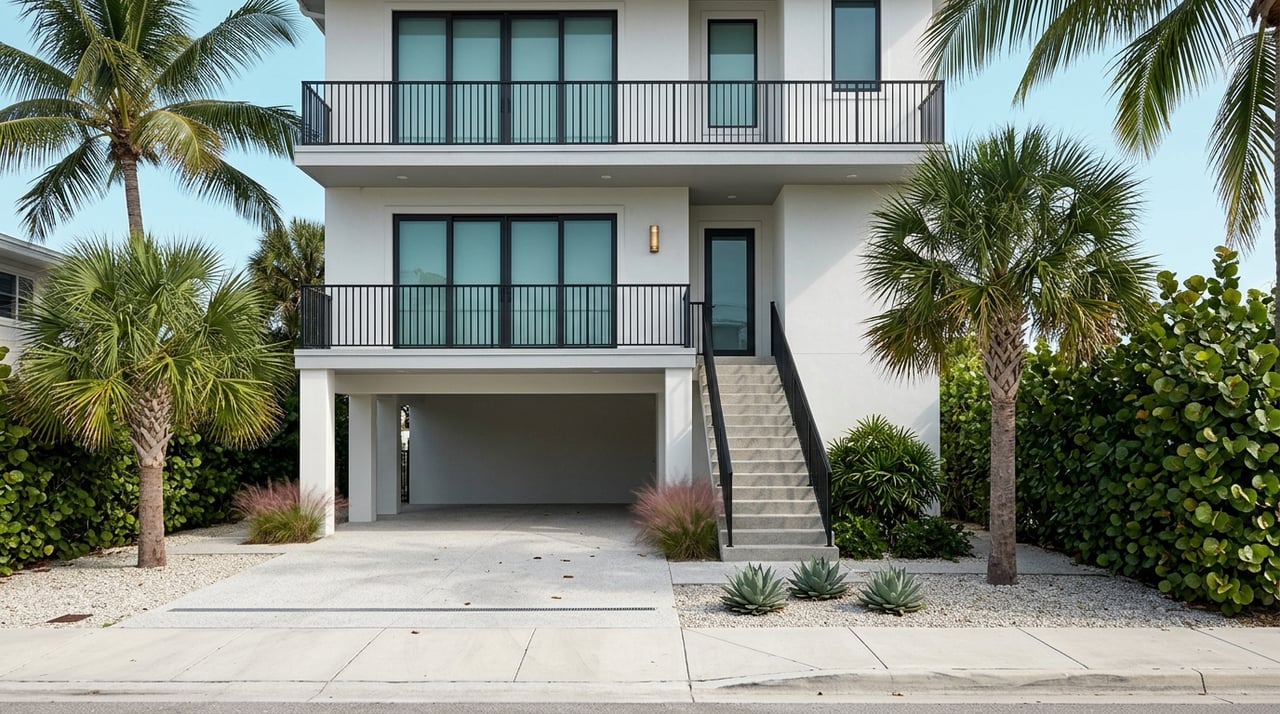
Sarasota has a broad mix of older coastal buildings and newer, well-managed communities. Salt air and water intrusion can speed up wear on concrete, balconies, garages, and roofs. That is why strong reserves and timely structural inspections are essential. They protect safety, stabilize monthly dues, and support financing.
Post‑Surfside rules at a glance
Florida strengthened building-safety oversight after the Surfside tragedy. Two layers affect you as a buyer:
- State-level guidance sets general requirements for periodic structural inspections and better documentation by condo associations.
- Local implementation in Sarasota County determines schedules, submission procedures, and enforcement. Deadlines and forms can vary by county and city.
Your takeaway: verify both state guidance and Sarasota County’s current process for any building you are considering. Associations that fail to comply can face orders to repair or other enforcement.
Understanding condo reserves
A reserve fund is money set aside for big-ticket common-area items such as roofs, elevators, exterior painting, balconies, and shared HVAC. It is separate from the operating budget for day-to-day expenses.
A reserve study is typically prepared by an engineer or reserve analyst. It estimates remaining useful life and replacement cost for major components, then recommends annual reserve contributions and a funding schedule. A recent, detailed study signals proactive planning.
What a solid reserve picture looks like
- Fully funded reserves track closely with the study’s recommended targets. Partially funded reserves are common, but they raise the chance of special assessments.
- There is no single universal “healthy” percentage for every building. Age, component list, and risk tolerance matter.
- Review the most recent study date, current reserve balance, and whether reserve contributions appear in the annual budget.
What to review in the financials
- Current-year budget with a clear reserve line item
- Prior 2–3 years of budgets and actuals to see trends
- Current reserve balance and whether funds are in a separate account
- Recent capital projects and how they were paid (reserves or assessments)
- Frequency and purpose of special assessments
Associations that rarely update their studies or routinely use assessments instead of reserves warrant closer scrutiny.
Milestone and structural inspections
Milestone or structural inspections are designed to identify issues such as concrete spalling, corrosion of reinforcing steel, foundation settlement, balcony failures, and water intrusion. Licensed structural engineers typically complete these inspections and may recommend follow-up testing or repairs.
Which buildings are inspected and how often depends on state law and local implementation. Older buildings and coastal locations often receive priority. Inspection reports outline findings, severity, recommended repairs, and timelines. The association pays for inspections and repairs through reserves, assessments, loans, or increased dues.
What buyers should request
- All structural or milestone inspection reports, including full engineering findings
- Any remediation plans, contractor bids, and schedules
- Evidence of completed work and final engineer sign-offs
- Board minutes that discuss inspection results and funding strategies
Pay special attention to active repair plans that could lead to near-term assessments or larger dues.
How finances affect loans and insurance
Lenders review project-level risk before approving many condo loans. Reserves, inspection reports, insurance, and litigation status can influence eligibility for FHA, VA, and conventional programs.
Mortgage eligibility red flags
- Very low reserves or a pattern of frequent special assessments
- Unresolved structural items in engineering reports
- Ongoing litigation that could impact finances
- Known major repairs without a clear funding plan
Requirements vary by lender and investor, so confirm project eligibility early in your process.
Assessments and your cash flow
Special assessments are charged to unit owners and can be large and immediate. Even well-funded associations may use loans or assessments for major projects. Ask for written details on any pending or planned assessments and how payment schedules are structured.
Insurance considerations on the coast
Wind, storm, and flood risks influence master policy costs, deductibles, and coverage scope. Review the association’s certificate of insurance for limits, deductibles, and what is owner versus association responsibility. Large deductibles and gaps in coverage can increase your potential out-of-pocket costs.
Sarasota-specific watchouts
- Building age and coastal exposure: Sarasota’s coastline and salt air can accelerate concrete deterioration. Older buildings need careful review of inspection history and reserve planning.
- Local enforcement: Sarasota County’s building services and code enforcement implement state requirements and handle public records. Request any available notices or orders related to the property.
- Resale impact: Ongoing structural work or large assessments can narrow the buyer pool and lender options. Completed remediation and current reserve studies often improve marketability.
Your due‑diligence checklist
During your inspection and document-review period, request:
- Current budget and the last 2–3 years of budgets and actuals
- Most recent audited financials or CPA review, if available
- Current reserve study and prior studies for context
- Verification of reserve balances or board minutes showing balances
- Board and owner meeting minutes for the last 12–36 months
- Any special assessment resolutions and payment schedules
- All engineering, milestone, or bid reports
- Recent permits and contractor invoices for capital projects
- Association master policy certificate with limits and deductibles
- List of current litigation involving the association
- Governing documents and amendments on assessments, insurance, and repairs
- Any local compliance orders or notices on file with Sarasota County
Smart questions to ask
- When was the last reserve study completed, and how current are the cost and lifespan estimates?
- What is the current reserve balance and percent funded, if available?
- Are any special assessments pending or planned? For how much and why?
- Have milestone or structural inspections been performed? Can I review the full report and bids?
- What major repairs were completed in the last five years, and how were they funded?
- Are there any outstanding safety or code orders from Sarasota County?
- Is the association current on required filings and inspections?
- Does the capital plan align with the reserve study recommendations?
- How does the board handle unexpected repairs: loan, assessment, or reserve draw?
- Is the association involved in litigation that could trigger an assessment?
How a local advisor helps
You want clear answers before you write an offer. A Sarasota-focused advisor helps you request the right documents, interpret reserve and inspection reports, and coordinate early with lenders on project eligibility. Local context matters, especially on Siesta Key, Lido, and Longboat Key, where coastal exposure and building age vary by community.
If you are weighing two buildings with different reserve positions or inspection histories, a side-by-side comparison can save you time and money. You will understand the total cost of ownership, not just the list price. For practical, neighborhood-level guidance and a calm, data-driven approach, connect with Marlin Yoder.
FAQs
What is a condo reserve fund in Sarasota?
- A reserve fund is money set aside by the association for major common-area repairs and replacements, separate from daily operating expenses.
What is a milestone or structural inspection for condos?
- It is an engineer-led assessment that checks for significant structural deterioration and recommends repairs, timelines, and follow-up.
How can Sarasota condo reserves impact my mortgage?
- Low reserves, frequent assessments, or unresolved structural issues can make some loans harder to obtain and may require project approvals.
What documents should I request during condo due diligence?
- Budgets and financials, reserve studies, inspection and engineering reports, board minutes, insurance certificates, permits, and any assessment records.
What should I know about special assessments in Sarasota condos?
- Assessments are charges to owners for major projects and can be large; confirm amounts, timing, purpose, and whether a payment plan is set.
How do coastal risks affect Sarasota condo insurance?
- Wind and flood exposure influence premiums, deductibles, and coverage terms; review the master policy to understand owner responsibilities.
Who enforces milestone inspections in Sarasota County?
- The county’s building and code departments implement state guidance, manage submissions, and can enforce repairs or compliance.